
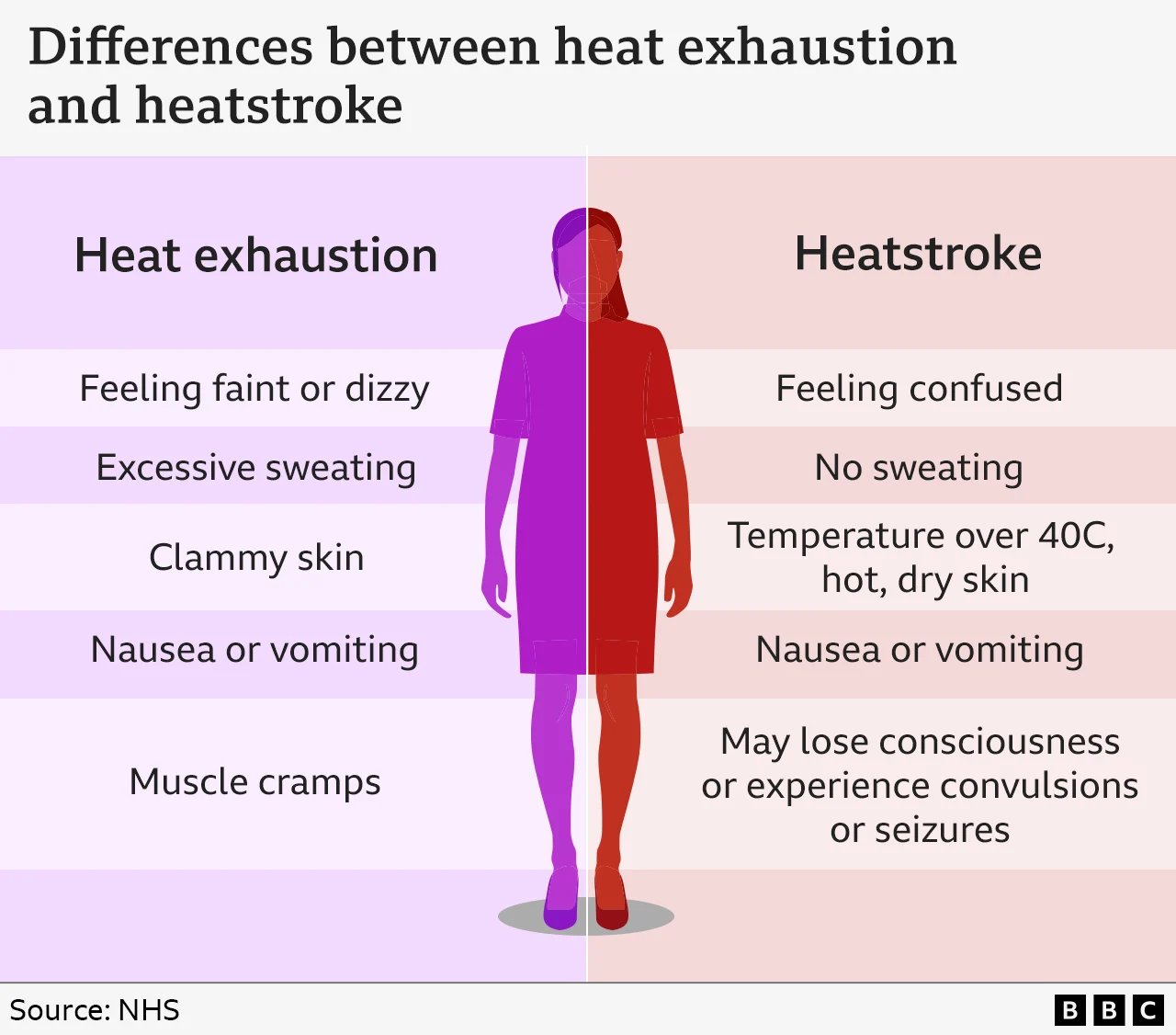
Heat Exhaustion vs Heatstroke: What to Do, When to Call 999 and How to Prevent It
As temperatures rise during the summer months, so does the risk of heat-related illnesses. Whether you’re working outdoors, playing sport, attending festivals, or simply enjoying the sunshine, it’s important to know the difference between heat exhaustion and heatstroke.
Although the two conditions are related, heatstroke is a life-threatening medical emergency that requires immediate treatment.
In this guide, we’ll explain how to recognise the signs, what first aid to provide, when to call 999, and how to prevent heat illness.
What is Heat Exhaustion?
Heat exhaustion occurs when the body loses too much water and salt through sweating. It usually develops after prolonged exposure to high temperatures or strenuous activity in hot weather.
If recognised early, most people recover quickly with rest and cooling.
Signs and Symptoms of Heat Exhaustion
Look out for:
- Heavy sweating
- Cool, pale and clammy skin
- Muscle cramps
- Feeling weak or tired
- Headache
- Dizziness or fainting
- Feeling sick or vomiting
- Fast pulse
- Intense thirst
- A temperature usually below 40°C
First Aid for Heat Exhaustion
If you think someone has heat exhaustion:
- Move them to a cool, shaded place or indoors.
- Encourage them to lie down with their legs slightly raised if they feel faint.
- Remove unnecessary clothing.
- Cool their skin using cold water, wet towels, a fan, or cool packs wrapped in a cloth.
- Encourage them to sip water or an isotonic sports drink if they are fully alert.
- Stay with them and monitor their condition.
Most people should begin to improve within 30 minutes.
If they do not improve, their condition worsens, or they become confused, treat it as heatstroke and call 999 immediately.
What is Heatstroke?
Heatstroke is a medical emergency. It happens when the body’s temperature rises to dangerous levels and it can no longer cool itself.
Without prompt treatment, heatstroke can lead to organ failure, brain injury or death.
Signs and Symptoms of Heatstroke
Unlike heat exhaustion, someone with heatstroke may have:
- A very high body temperature (typically above 40°C)
- Hot skin (which may be dry or still sweaty)
- Confusion or unusual behaviour
- Slurred speech
- Seizures
- Loss of consciousness
- Rapid breathing
- Fast, strong pulse
The key warning sign is a change in mental state, such as confusion, collapse or unconsciousness.
First Aid for Heatstroke
If you suspect heatstroke:
Call 999 immediately.
While waiting for the ambulance:
- Move the person into the shade or a cool environment.
- Remove excess clothing.
- Cool them as quickly as possible using:
- Cold water over the skin
- Wet sheets or towels
- Ice packs wrapped in cloth placed on the neck, armpits and groin
- Fans to increase cooling
- Continue cooling until emergency services arrive.
- If they become unresponsive and are not breathing normally, begin CPR and use an AED if available.
Do not give someone fluids if they are confused, unconscious or unable to swallow safely.
Heat Exhaustion vs Heatstroke: What’s the Difference?
| Heat Exhaustion | Heatstroke |
|---|---|
| Less serious | Medical emergency |
| Heavy sweating | Skin may be hot and dry or sweaty |
| Feels weak and dizzy | Confused, collapsed or unconscious |
| Usually improves with cooling | Requires urgent emergency treatment |
| Can usually drink fluids | May be unable to drink safely |
| Temperature usually below 40°C | Temperature often above 40°C |
Remember:
Heat exhaustion can develop into heatstroke if not treated promptly.
When Should You Call 999?
Call 999 immediately if someone:
- Becomes confused or disorientated.
- Loses consciousness.
- Has a seizure.
- Stops sweating but remains extremely hot.
- Has a body temperature above 40°C (if known).
- Does not improve after around 30 minutes of cooling.
- Is struggling to breathe.
When in doubt, it is always safer to seek emergency medical help.
Who is Most at Risk?
Anyone can develop heat illness, but extra care should be taken with:
- Babies and young children
- Older adults
- People working outdoors
- Athletes and sports participants
- People with heart disease or diabetes
- Those taking certain medications
- Anyone who is dehydrated
Schools, sports clubs, construction sites and outdoor events should all have staff trained to recognise the early warning signs.
How to Prevent Heat Exhaustion and Heatstroke
Prevention is always better than treatment.
Here are some simple ways to stay safe:
✔ Drink plenty of water throughout the day.
✔ Wear lightweight, loose-fitting clothing.
✔ Stay in the shade during the hottest part of the day (11am–3pm).
✔ Take regular breaks if working outdoors.
✔ Wear a hat and sunscreen.
✔ Avoid excessive alcohol in hot weather.
✔ Never leave children or pets in parked vehicles.
✔ Check on elderly relatives and neighbours during heatwaves.
Learn Life-Saving First Aid Skills
Knowing how to respond in an emergency could save a life.
At Green Box First Aid Training, we deliver practical, engaging first aid courses for workplaces, schools, sports clubs and community groups. Our experienced trainers teach you how to recognise medical emergencies, provide effective first aid and act confidently until professional help arrives.
Whether you’re renewing your qualification or learning first aid for the first time, we’re here to help you gain the skills that really matter.
Get in touch today to find the right first aid course for you or your organisation.
Frequently Asked Questions
Can heat exhaustion turn into heatstroke?
Yes. If heat exhaustion isn’t treated promptly, it can progress to heatstroke, which is a life-threatening emergency.
Should you give water to someone with heatstroke?
Only if they are fully conscious and able to swallow safely. If they are confused or unconscious, do not give them anything to eat or drink.
How long does heat exhaustion last?
Most people recover within 30 minutes after cooling down and rehydrating. If symptoms continue, seek medical advice.
What is the first sign of heat exhaustion?
Heavy sweating, tiredness, dizziness and feeling unusually thirsty are often the earliest symptoms.
Is heatstroke always an emergency?
Yes. Heatstroke is always a medical emergency and requires an immediate 999 call.
First Aid Courses in Bracknell
First Aid Courses in Berkshire
First Aid Courses in Farnborough
First Aid Courses in Hampshire
First Aid Courses in Portsmouth
First Aid Courses in Southampton
First Aid Courses in Basingstoke
First Aid Courses in Oxfordshire
We run courses in Windsor, Bracknell, Reading, Uxbridge, Slough, and Newbury — making it easy to find a location that works for you.
🗓️ Check Dates: View Course Dates
📝 Book Your Spot: Book Online